
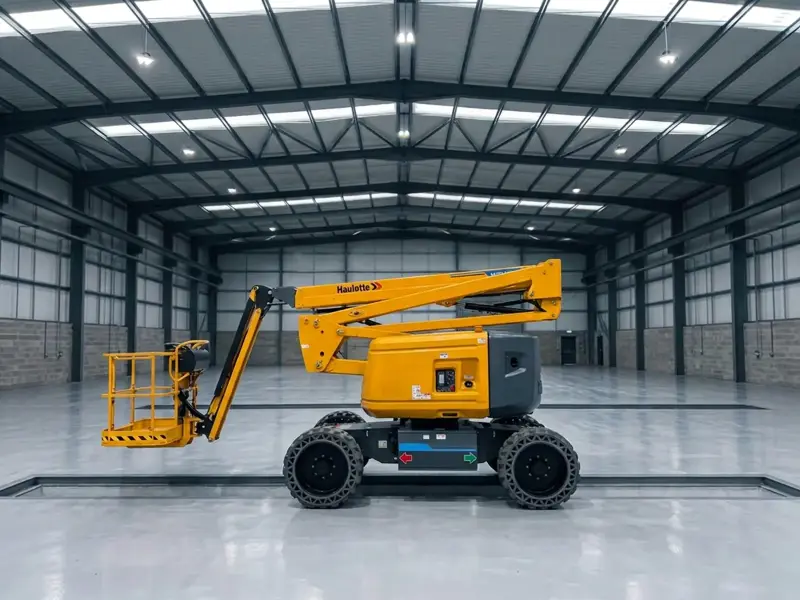
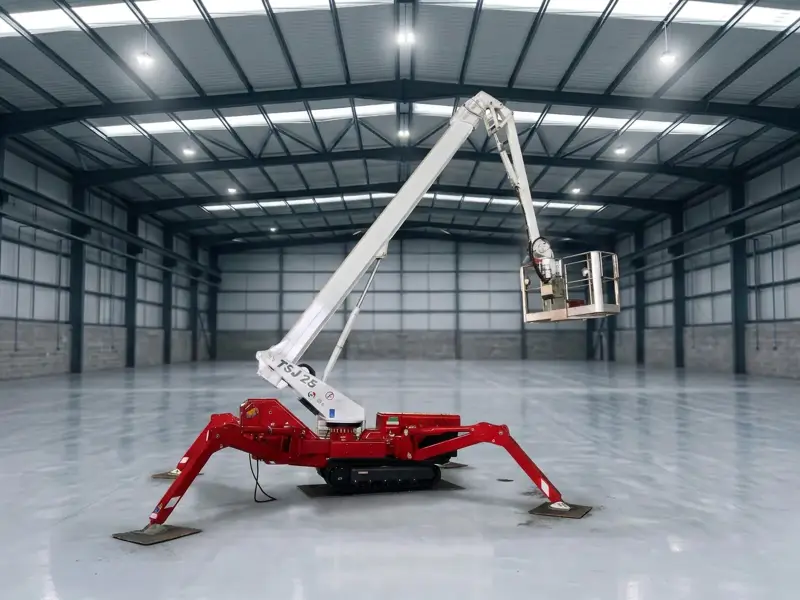
Overexertion is part of many jobs, and it regularly leads to accidents. Handling and storing materials covers many tasks: lifting tons of steel with a crane, driving a truck loaded with concrete blocks, carrying bags by hand, and stacking palletized bricks, drums, barrels and timber. One survey estimates that about 30 percent of the workforce faces lifting hazards every day.
Why manual handling is a risk
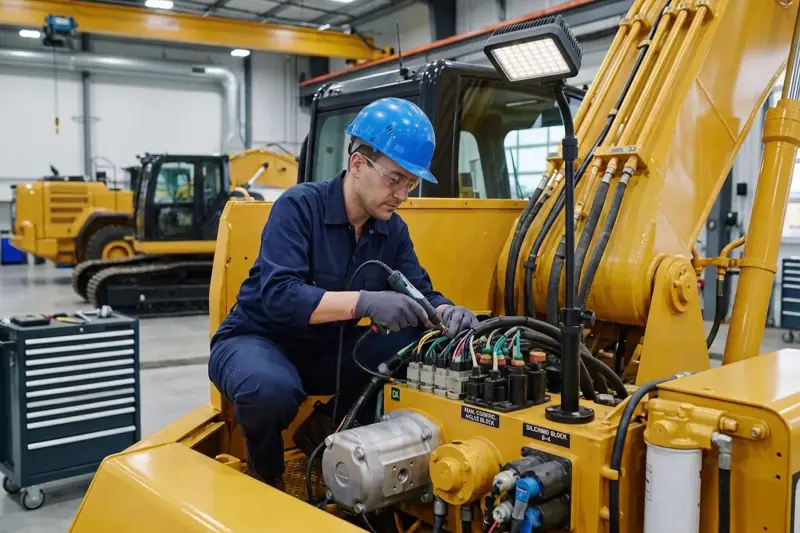
Manual handling means moving objects without mechanical help. It often forces workers into twisted, awkward postures that lead to musculoskeletal disorders, and the risk grows as the workforce gets older. Material handling equipment is a basic way to reduce physical injuries, and the right equipment is essential for a smooth workflow and high productivity.
Built around the application
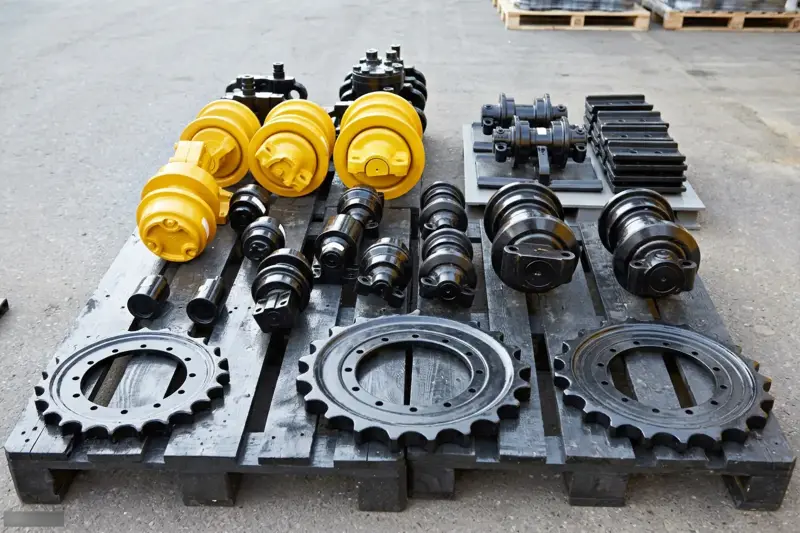
Material handling equipment can be custom built in almost any form to suit the application. It is used to transport, stack, reclaim and feed bulk materials. Rollers, belts and chains can all be built in, with a choice of hydraulic and electric drives, and each unit is built for many years of operation. A good choice of equipment, combined with a well-designed handling system and facility layout, raises productivity and lowers both investment and operating costs.
Main types of equipment
- Conveyors: a continuous loop of belt running over two end pulleys, used to move materials such as coal, minerals and grain
- Stackers: used to stack bulk material onto a stockpile
- Reclaimers: work alongside stackers to recover bulk material from the stockpile
- Hoppers: feed bulk material into other machines
Planning a single, connected handling system reduces the amount of manual handling and the hazards that come with it. For advice on lifting and handling equipment, contact United Gulf.