
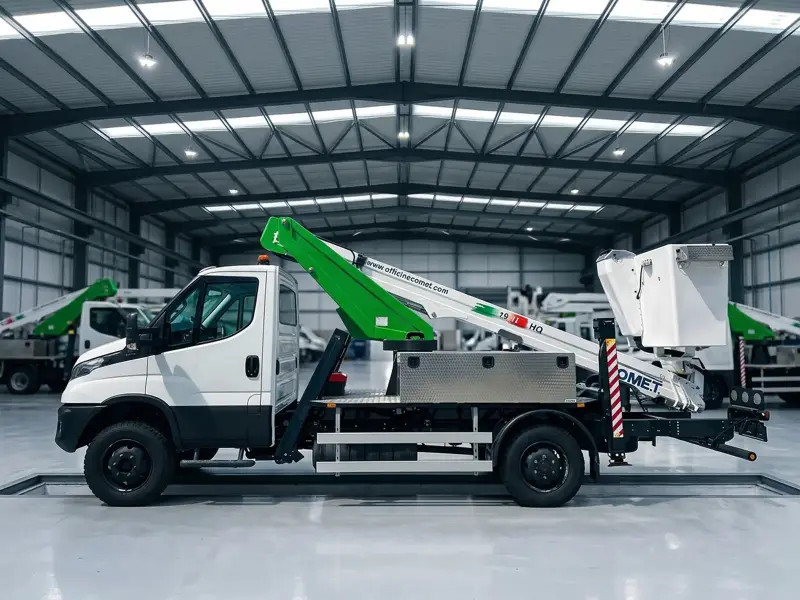
Forklifts and other lifting equipment are safe only when they are checked and serviced properly. Two simple habits make a big difference.
Imagine one of your operators is driving a forklift. He is doing a good job, but as he turns a corner he accidentally hits a safety bollard. What should he do next? Many operators do not know, and most supervisors do not want to interrupt the workday to keep asking whether anyone has had an accident, however minor.
The rule is simple: any impact calls for an inspection of the vehicle. It does not need to be a full investigation, but someone must confirm that no hoses are damaged, nothing is bent and all critical systems work normally. If the forklift was in a serious collision, take it out of service and repair it before it goes back to work.
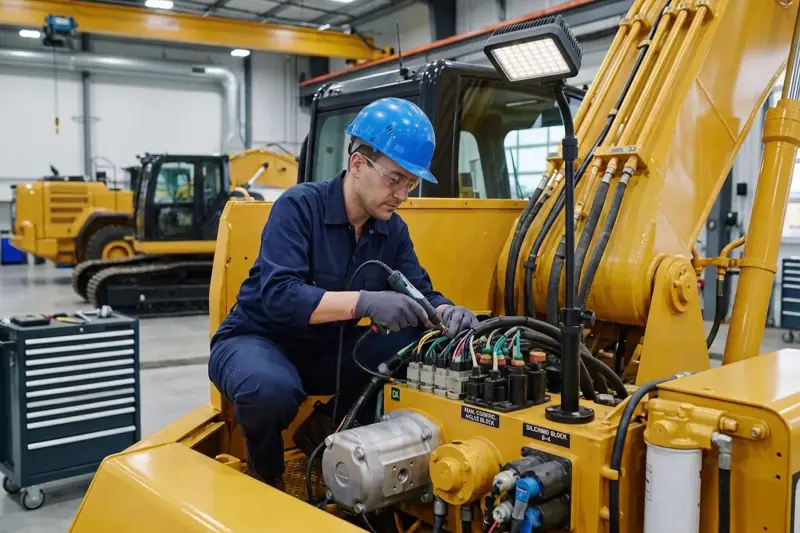
Always follow the manufacturer’s recommended service schedule. Manufacturers set different service routines for light and heavy machinery. Some equipment needs fluids changed at regular intervals, and most equipment needs hoses, belts and lines serviced over time. Hydraulic equipment may have extra requirements that call for professional servicing. Skipping service on a forklift is dangerous, because worn parts, switches and safety systems can fail.
Contact United Gulf for advice on servicing and safe use of lifting equipment.